Top 4 Places to Save Money During Recession
i bond

It is looking less and less like the U.S. economy will achieve the promised land of a soft-landing and will instead end up in a recession. It may turn out to be a shallow recession, but the economy is not typically forgiving of rapid increases in interest rates. If hiring falls off before the holiday season, then look out below. Where To Save Money During Recession Making smart personal finance decisions during a recession is critical to avoid losing progress on your goals. The four places are the best way to save money during recession and even depressions. Money Market Account – No it’s not sexy, but it is safe, and it should pay more than your basic savings account. Get at least three months of expenses put aside in case you are one of the unfortunate ones who lose their job during a recession. The silver lining on recessions is that rising interest rates means earning more money on your savings accounts and money market accounts. Consider a high-yield online savings account from a bank you trust to earn even more. Pay Off Debt – Alright, this is cheating. Paying off debt isn’t technically saving money, but it will …

Read More

Are I Bonds a Good Investment Right Now?

series i bonds investing interest

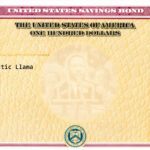
There is a lot of chatter in the financial planning community as well as the investing writers and bloggers about investing in I Bonds. Are I bonds really a good investment right now? As with almost all investing and savings ideas, the answer is that it depends on your current financial situation and what you want to get out of your I bond investment. What Are I Bonds? The one thing the finance pundits are getting right is the description of I bonds. I bonds are a savings bond from the United States government just like the more well-known Series EE savings bonds. The main difference is that I bonds are designed not as a basic savings vehicle, but rather as one that keeps up with inflation. What Is The Point of I bonds? Technically, if your savings are not keeping up with inflation you are purchasing power. This is not the same as losing money, no matter what anyone tells you. If you have $10,000 in savings earning 1%, you are not losing money. Your savings are increasing at the rate of 1% every year. However, if inflation is 2%, you are losing purchasing power. Statistically speaking, your savings …

Read More

US Savings Bonds Series E Savings Bonds

e bonds

US Saving Bonds and World War II Bonds issued by the US Government are low-risk investments issued in order to finance the national debt. There are numerous types of Government bonds. Each bond has specific features that determine how much interest is paid to the bond holder, how long the bond’s term is, and how the bond is purchased. The different kinds of bonds are known by their “series” letters. Series E bonds are one of the kinds of US Savings Bonds. The last of the Series E Savings Bonds stops earning interest in 2010, which means that anyone still holding Series E Bonds is losing out on interest payments. Series EE Savings Bonds replace the retired Series E Savings Bonds. Smart financial planning tips from many experts suggest re-evaluating Savings Bond advantages and disadvantages before automatically rolling them over into new Savings Bonds like the current Series EE Savings Bonds. Remember, although there is no time when savings bonds expire, taxes are due on interest paid when the savings bond matures. History of Series E Savings Bonds Series E bonds, or Government E Bonds, were first issued to fund World War II efforts. The bonds were commonly known as …

Read More