Usually, I caution people against paying too much attention to the Federal Reserve and when they set interest rates. For most investors, this is a distraction that doesn’t really impact, over a longer term, their investments as much as the media suggests it does. However, since the Federal Reserve has not raised interest rates in a very long time, there are those who don’t really remember what happens, and even those who weren’t adults, or investors, the last time the Fed actually raised interest rates, so let’s review a bit.
How The Fed Raises Interest Rates
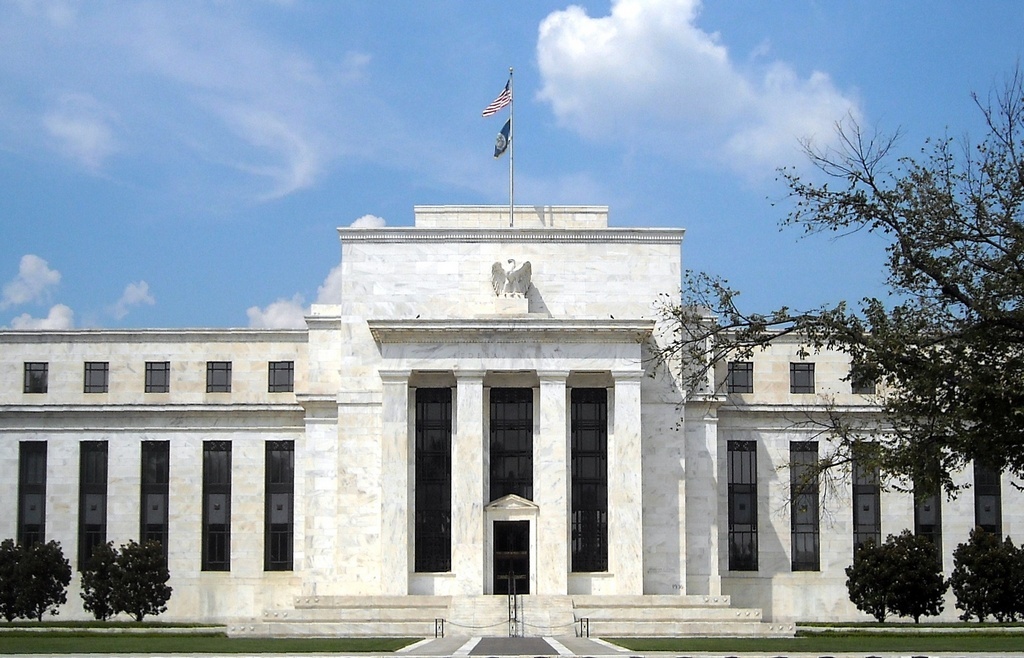
The Federal Reserve actually sets interest rates in two way. First, the Fed sets a discount rate, which is the rate the Federal Reserve itself charges to banks for lending them money overnight. The second interest rate is the Federal Funds rate. This rate is the interest rate that federally insured banks charge either other for overnight loans. (Exactly why, banks need to borrow money in this way is a topic for another day.)
As you can see, neither of these interest rates directly affects you as a banking customer or investor. However, these interest rates heavily influence other interest rates that do apply to you. One of these interest rates is the Prime Rate. Many credit cards or other variable interest rates loans are set by the Prime rate. For example, you credit card interest rate might be something like Prime + 5%.
The current Prime Rate is 3.25%.
However, there is a very important caveat here that makes these first few Fed interest rate increases less impactful. A great majority of variable rate interest rate products have a minimum interest rate, or interest rate floor. That is, your credit card might have an interest rate of Prime + 6%, but with the terms that it never will be less than 12%, for example.
With the Prime rate currently at 3.25%, your credit card interest rate would theoretically be 9.25%, but if you have the minimum rate of 12%, or even 9.9%, then a 0.25% rate increase by the Fed won’t actually raise your credit card interest rate. In fact, if you have a 12% minimum, you won’t have a rate increase for some time.
December Rate Increase Likely
Since the 1980s, inflation hasn’t been much of an issue in the American economy. Perhaps that is due to diligent action by the Federal Reserve, or maybe the economic conditions that triggered high inflation are just not how things are done any more.
Either way, there are always plenty of panickers around to worry that the Fed should be raising interest rates now, or last month, or last year, or whatever.
But, this time around, as always, inflation is not rising. In fact, inflation was so low in 2015 that the government announced there will be no cost of living increase in Social Security payments for 2016. Still the Fed was poised to raise rates in October, mostly because they don’t really want to keep them a zero forever.
But, when the China stock market had a meltdown, the Fed wisely decided that they could wait another few months before raising rates. Even though that led to plenty of economists and financial analysts out there predicting imminent doom.
Now, with a jump in payrolls reported by the Labor Department, it looks like the economy is still moving forward, even if it still is moving slowly. Couple that with Congress deciding that maybe it isn’t great idea to shutdown the government every year or two, and you have the right environment to finally raise interest rates.
The increase is now widely expected to come at the December meeting, and the Fed has gone out of their way to telegraph that it will be a 0.25% increase.
In the end, this is a lot of noise about something that is largely symbolic at this point. Expect a noisy reaction when the increase happens and then expect everyone to have forgotten all about it a week later.
When this gets interesting is 2016. Pretty much everyone is fine with a quarter percentage point increase in the very near future. After that, however, opinions start to vary widely. A lot will depend on how the holiday shopping season goes for retailers. A strong one gives credence to the thought that things are finally on track. A weak suggests that maybe it’s still too soon to worry about anything other than tipping back into a recession.
We’ll see…