Predicting the Federal Reserve and the actions it takes for monetary policy is tricky. In no small part, the difficulty lies with the fact that you are actually making a dual prediction. First, you are predicting what economic news, data, and figures the Fed will receive, and THEN you are predicting how the Fed will respond to them. Getting the second part right, is probably easier than the first part because you are dealing with established pasterns of rational beings, rather than the unknowable events of a future world economy.
It seems in a speech Wednesday, Fed member Charles Evans said that he thinks there will be three one-quarter percentage rate hikes. That would essentially end up with the Federal Reserve’s Open Market Target Interest Rate by the end of 2017.
Curious about Mr. Evans’ track record, I did a search for his remarks in the last quarter of 2015 to see how well he did at predicting what 2016 would look like.
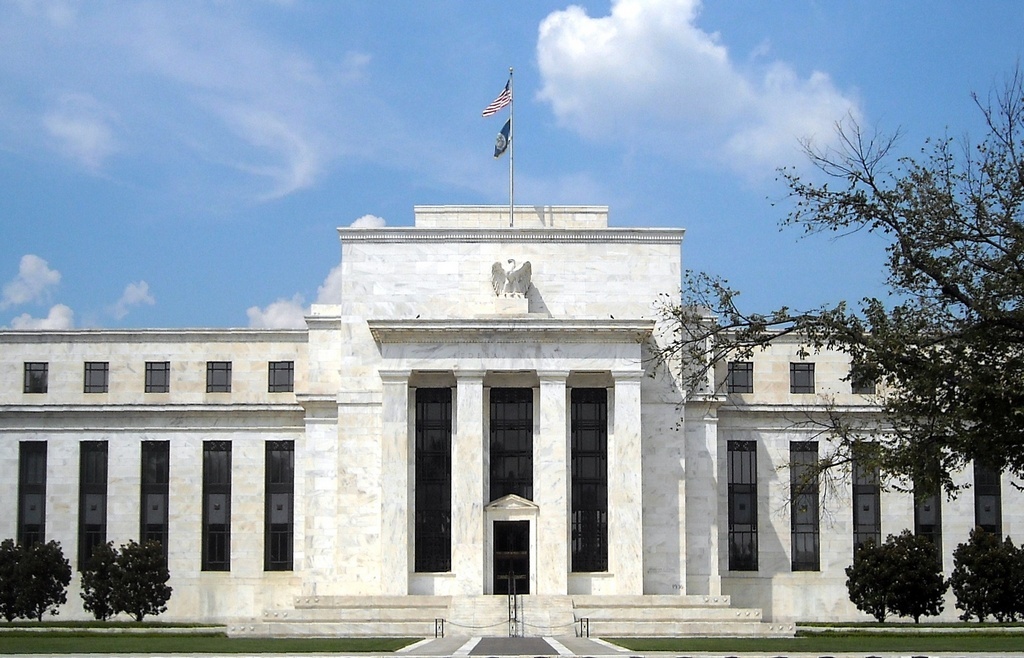
As it turns out, Mr. Evans is pretty good at his job (based on one year anyway) having predicted the U.S. economy would grow at about 2.5 percent during 2016, and with the Federal Funds Rate ending below 1%. The Fed Funds rate currently stands at 0.25%. (Technically, it’s 0.25% to 0.50%, but most people just call it 0.25%). Even if the Fed ends up with a December raise (just like last year), that still makes a Fed Funds rate of 0.50%, definitely below the 1%.
And, what about the economic growth? It seems that most economists are currently predicting a 2.5% increase in GDP, right on target for Mr. Evans.
Of course, there are a lot of things that can (and will) change, and I’m not sure if Mr. Evans would have stuck to his prediction after key events like the couple of China meltdowns, or other global surprises. It will be interesting to see how the track record holds up.
Incidentally, Evans is considered a “dove” on the Fed, if you are wondering whether it is the hawks or doves who end up being right in the end.
One thing is for certain, we aren’t any where near that 2% inflation target the Fed always talks about, but seems to not actually care about getting to before raising rates.