Here we go again.
Last year, the Federal Reserve, desperate to get away from zero interest rates, raised its target benchmark interest rate from 0% to 0.25%. They proudly crowed about fighting inflation and predicted several rate hikes in 2016.
Then, January happened. If you don’t remember, China’s economy had a freak out before the country’s masters could get it under control. Understandably, with the instability, the Fed backed off of its next interest rate hike, but still predicted more this year. And, then… and then…
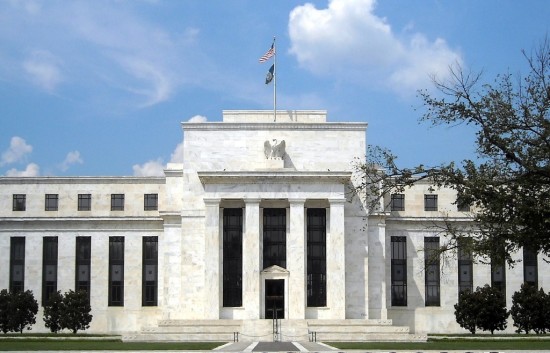
With the days of the year running out, the Fed, again desperate to raise interest rates despite inflation being nowhere near the supposed “target,” was planning a Summer increase but…
The jobs report didn’t cooperate.
And then…
The jobs report didn’t cooperate.
Oh, and there is more news of the economy being very, very sluggish.
It almost seems as if the economy just isn’t that strong and stable, and that inflation is low, and that the smart thing to do is just leave interest rates alone.
But, nobody wants to do that.
They want to be HAWKS. Hawks fight inflation fast and hard, even when it isn’t there. And so, here we are. This week different members of the Fed’s policy-setting board have given conflicting reports about whether or not a rate hike is coming, or more specifically, on if a rate hike SHOULD be coming. Either way, the odds for a rate hike in September are now just under 50%, but everyone is super on board for a rate hike in December, because then they will have raised rates at least once in 2016, because…
Well… because they really, really want to.
So, as 2016 draws to a close, look for one interest rate hike. No more. No less.
Look for rates to go from 0.25% to 0.50%. No more. No less.
It’s like doing nothing but really looking like you are doing something. At this point, the economy and its sluggish growth may roll over at any time, but inflation looks like something that no one sees anywhere in the near future. Strange then that we worry so much more about the latter.